


Advancing inclusive and responsive funding: Community voices drive change
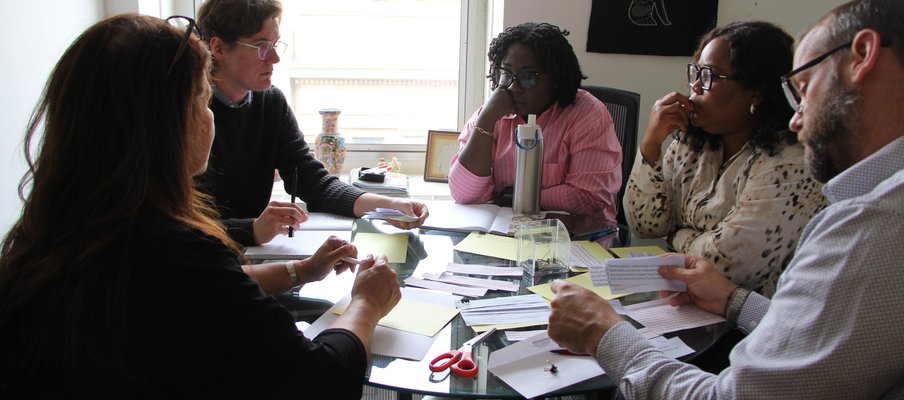
Communities across Saskatchewan are helping shape how SaskCulture’s funding programs evolve. Through ongoing conversations, feedback, and shared experiences, people are identifying what’s working, what’s not, and where changes are needed to make funding more accessible and inclusive.
These conversations are helping identify barriers and highlight ways to better support equity-denied communities, including Indigenous, ethnocultural, 2SLGBTQ+, and disability communities. SaskCulture continues to listen and adjust its approach as it learns.
“We are continuing to listen carefully and apply what we’re learning as we go,” says Dean Kush, chief executive officer, SaskCulture. “This is not a one-time process; it’s ongoing, and it’s shaping how we move forward as an organization.”
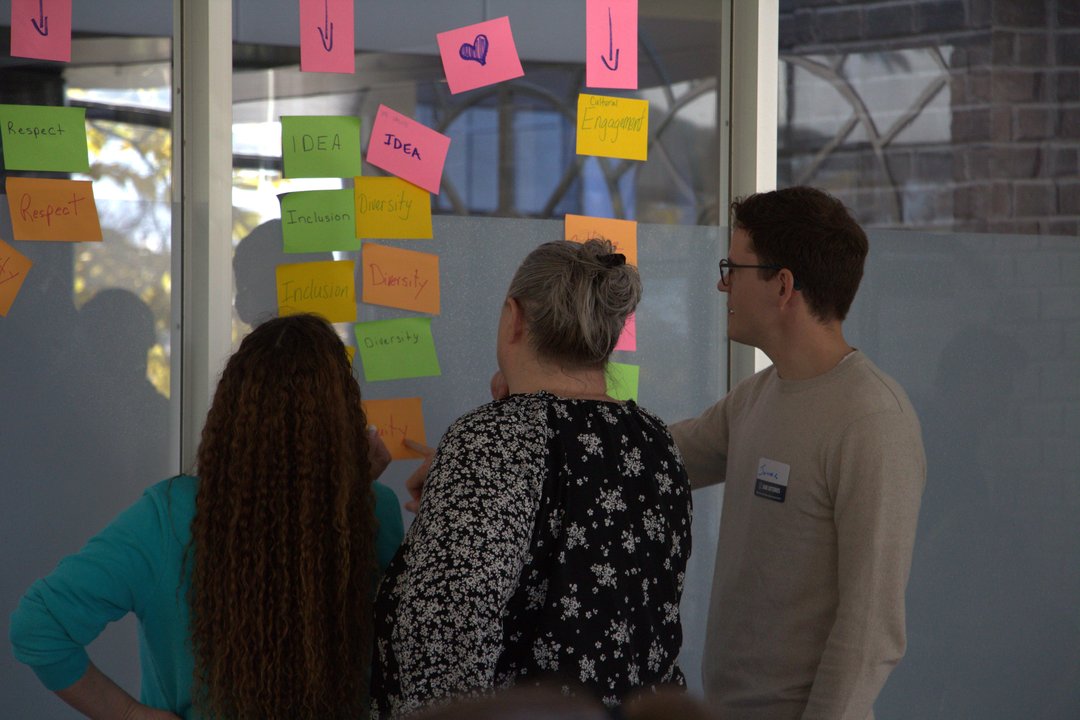
What’s being heard is already shaping action. Feedback gathered through consultations and research has also directly informed SaskCulture’s five-year Strategic Plan. Rather than treating Funding Program Renewal as a separate initiative, the Strategic Plan positions it as ongoing work to strengthen SaskCulture funding programs.
Among the changes informed by this feedback is a move to provide 100% upfront payment for SaskCulture’s project grants. This approach removes cash flow barriers and enables organizations to focus their energy on delivering meaningful work in their communities. This shift reflects what was heard through funding research and sector consultations about trust-based granting practices. It is balanced by a follow-up reporting process that supports accountability.
Other changes focus on making funding more intentional and impactful. The Multicultural Initiatives Fund – Project, for example, now includes two streams for Major and Small projects, to increase support for smaller initiatives from rural regions in the province. This ensures that funding supports work that reflects community priorities.
Changes are also being made to how programs are experienced by applicants and assessors. Many grant programs now include a trauma-informed approach, asking applicants to consider how their work supports participant well-being, and including content warnings for assessors when materials may be sensitive.
SaskCulture staff and Board Members gathered throughout the year to discuss the results of consultations, learn and participate in the strategic planning process.
Programs are also becoming more responsive to who is applying. The Small Grant Accessibility Program now prioritizes 2SLGBTQ+ and disability cultural initiatives. The most recent intake saw increased applications from both groups, showing that these changes are helping to open doors to more communities.
"“At every step, we’re asking how we can do better. It’s about making sure people see themselves in these programs and feel encouraged to apply.”"- Dean Kush
He adds that this work is about listening, adapting, and learning, and encourages the cultural community to visit the SaskCulture website to learn more about the Funding Program Renewal Project.