


Increasing accessibility in rural communities: Museum video tour supports language revitalization
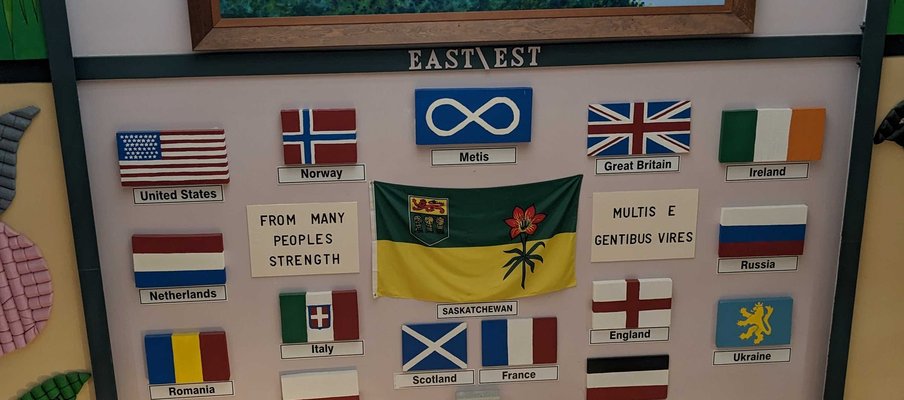
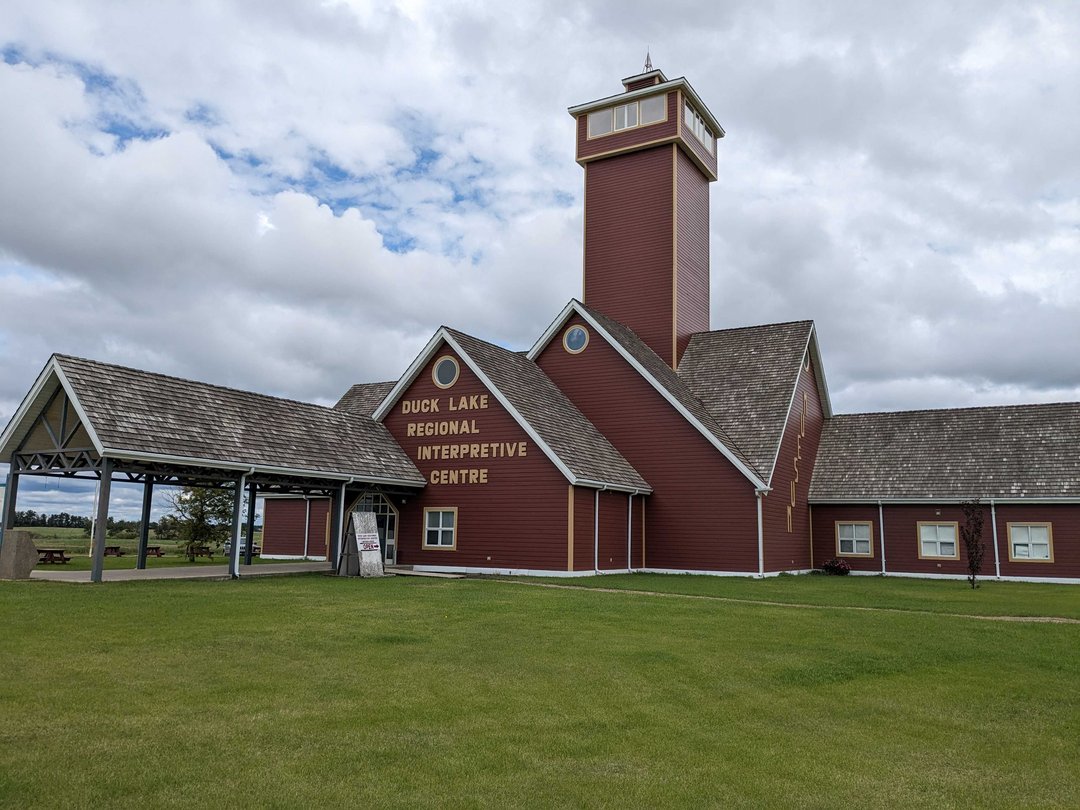
In Duck Lake, history is not only preserved in artifacts, but also in the languages that have shaped the region for generations. At the Duck Lake Regional Interpretive Centre, a new project is making the museum more accessible while ensuring those languages remain a living part of the community’s story.
Supported by the Métis Cultural Development Fund (MCDF), the interpretive centre is creating a video version of its tower tour, incorporating Michif, alongside English and French, with plans to also include Cree. The project aims to improve accessibility for visitors unable to climb the tower, while also supporting cultural retention and language revitalization
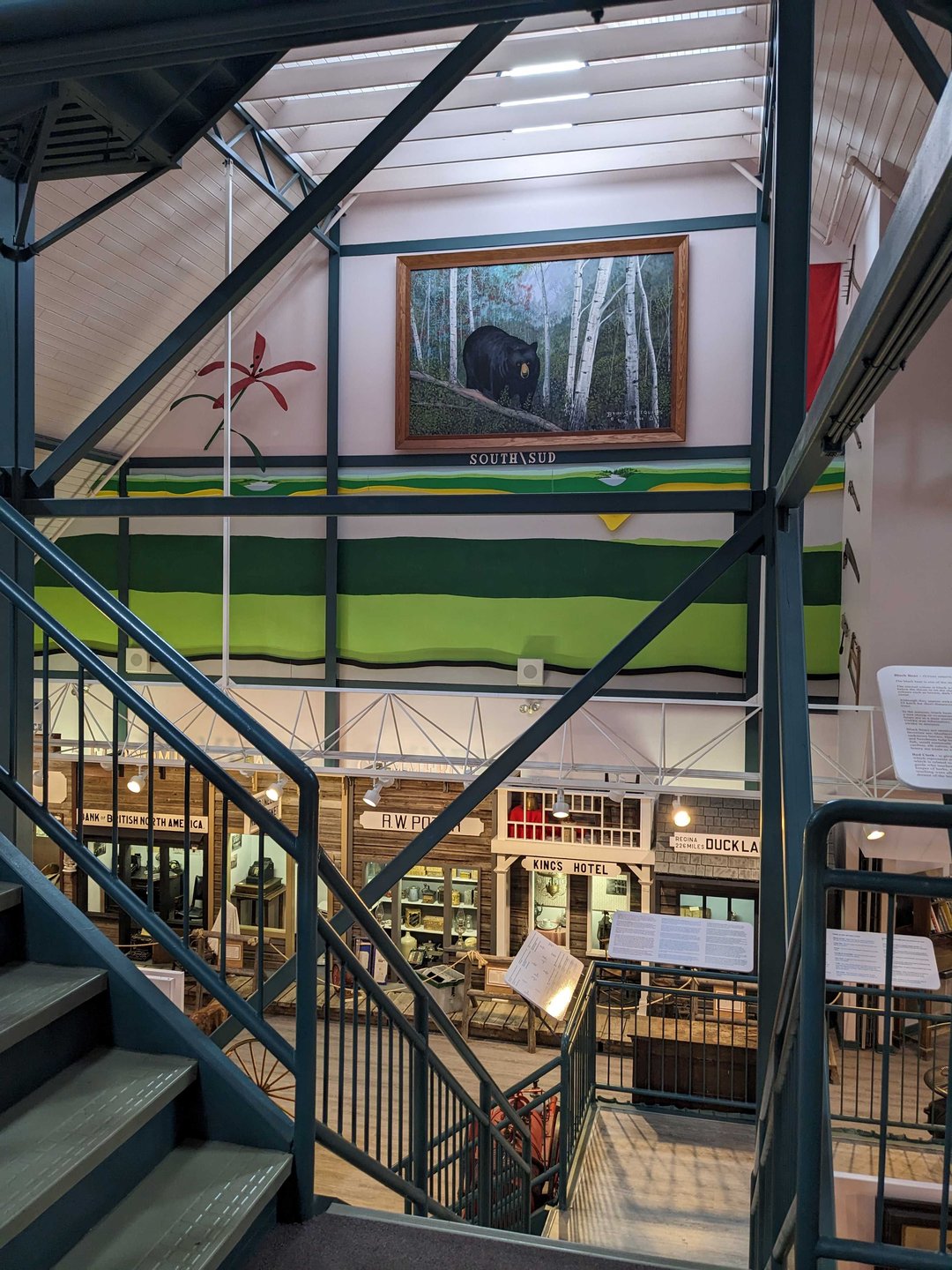
A local landmark since opening in 1990, the interpretive centre, with its 90-foot tower, offers panoramic views of the surrounding landscape. The area around Duck Lake is historically significant for both Métis and Willow Cree communities, particularly the locations of key events from the 1885 North West Resistance. While the tower aims to welcome a diverse audience, by offering text in multiple languages, the physical climb has limited access for some visitors.
“We realized that anyone with mobility challenges or even a fear of heights was missing that experience,” says Celine Perillat, who has been the administrator of the Duck Lake Regional Interpretive Centre since 1999. “This project allows us to bring the tower to them, while also creating an opportunity to hear the languages spoken.”
With support and guidance from Gabriel Dumont Institute, the museum worked with Métis Elder Sonny Vandale of St. Louis and linguists to ensure that the translations are culturally appropriate and reflect the local dialect.
“There’s no attempting a project like this without working with the Métis Elders,” says Perillat. “They are the ones who carry the language and the knowledge. Everything we do is guided by them.”
This project is especially meaningful for youth, as it is designed not only as an accessibility tool, but also as a tool to connect younger generation with the voices, histories, and identities that shaped their community. Perillat says that the inclusion of Michif is only natural, as a language deeply rooted in Métis culture.
“I want young people to understand how deep their roots go in this area,” Perillat says. “Their cultures helped shape this entire region. It’s important that they regain that sense of place and re-embrace who they are. Language is such an important part of that identity.”
Beyond improving accessibility, the project also reflects a broader commitment to inclusivity in cultural spaces. It allows more people to see themselves, their histories, and their languages represented in a museum setting. The interpretative centre hopes to expand the multilingual approach across more exhibits and continue building partnerships that support cultural preservation.
For Perillat, the goal is to ensure that both the stories and the languages of the region are preserved for the future generations.
“Language is integral to who we are,” she says. “When we lose it, we risk losing so much more. It’s our responsibility to help keep it alive.”