

A cultural vision taking shape in Moose Jaw
In this Issue

Related Programs

Imagine a city where every cultural group feels seen, heard, and valued. In Moose Jaw, that vision is taking shape through the city’s first-ever Cultural Plan. Initiated by the Cultural Diversity Committee, the plan aims to weave the rich tapestry of Moose Jaw’s diverse communities into the very fabric of the city’s future.
Officially adopted by the City of Moose Jaw in 2024, the Moose Jaw Community Cultural Action Plan now serves as a framework to strengthen the city’s cultural landscape in the years to come. The journey began in 2021, when committee members recognized a gap in public awareness around the many diverse cultural groups, programs, and events in the community. What followed was a thoughtful process that included research, community consultations, and collaborative planning.
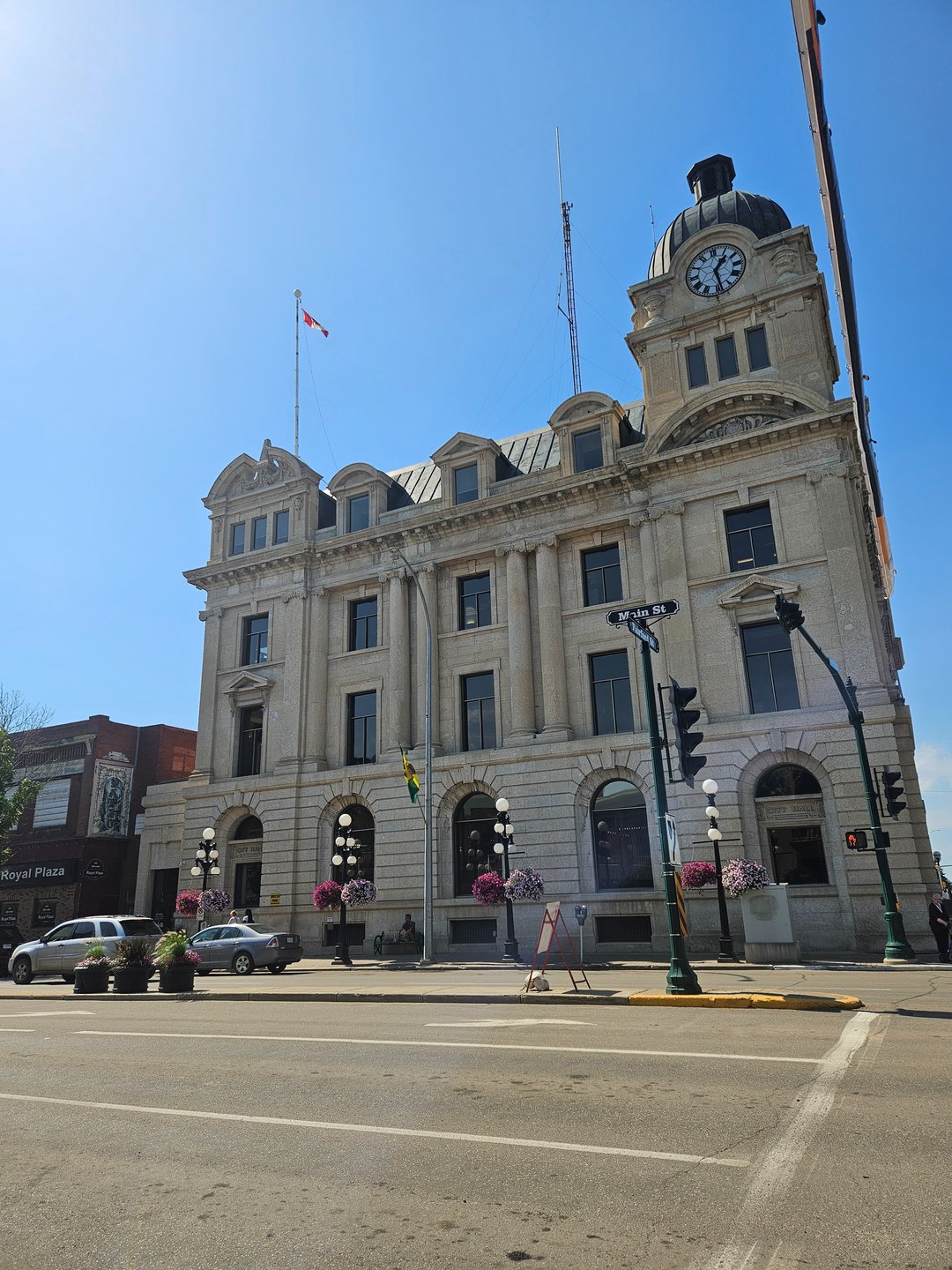
Throughout the multi-year effort, the committee remained focused on one priority: ensuring that diverse communities were meaningfully included and engaged at every step.
“Diversity is a core community-identified priority. So, when you look at our Cultural Plan, there’s a list of priorities, and one of those is diversity,” says Craig Hemingway, director of strategic growth, City of Moose Jaw.
The community responded well, with 20-30 people regularly attending cultural planning meetings. One major challenge identified early on was that cultural groups did not have enough resources, and there was a lack of collaboration. Hayley Hart-Rushinko, manager of communications and Indigenous relations, City of Moose Jaw, says that “Because [organizations] don’t have a ton of time or a ton of resources, they end up working in silos.”
Involving many voices in the planning process had a twofold impact. First, it allowed the committee to hear diverse perspectives and move forward with a shared understanding. It also created opportunities for groups to connect, collaborate, and raise awareness of their work. “The past few years, we’ve been able to host consistent free public events … along with meeting with the cultural committee members on a regular basis, who might not otherwise get a chance to speak with each other and even just collaborate within a year,” Hart-Rushinko says.
"...when you look at our Cultural Plan, there’s a list of priorities, and one of those is diversity."- Hayley Hart-Rushinko
For communities that are looking to start on the cultural planning journey, Hemingway says that consistency is key for keeping the community engaged through a long process.
“As a member, I want to be in a meeting, and at the next meeting, to see where that input went, and how it was used and the progress that’s been made,” he says.
Hart-Rushinko says that developing this plan helped the city build a stronger, more connected community, while raising awareness among community groups. The biggest challenge, she adds, is “making sure that [groups] stay engaged, because these plans can take a lot of time, and sometimes it can seem like not a lot is happening — it just takes patience to build that foundation.”