Listen to this episode for a discussion about what the future of the arts and cultural sector could look like, and how young people are already shaping it.
How can a cultural organization find stability while riding the waves of change?
When SaskCulture was established back in October 1997, it introduced the idea of Communities of Interest, organizations that don’t just represent specific groups, but also bring valuable insight and expertise from across Saskatchewan’s cultural landscape.
In her work with the cultural sector, Nichole Yamchuk, founder and CEO of Advocate Fundraising, found that arts and cultural organizations often face a lack of understanding from the public.
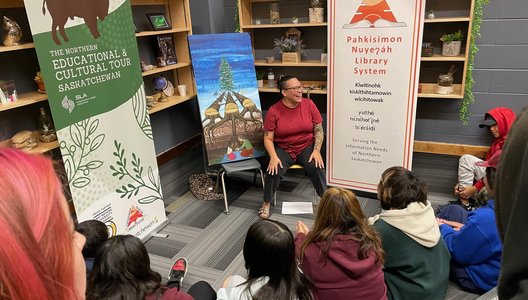
For many people, a library is more than just a place to borrow books, it is where people connect, learn and belong.
Two commemorative dates in June, Pride Month and Indigenous History Month, offered an opportunity in the Battlefords to build understanding and connection.
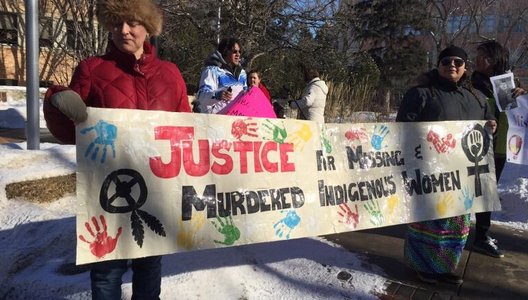
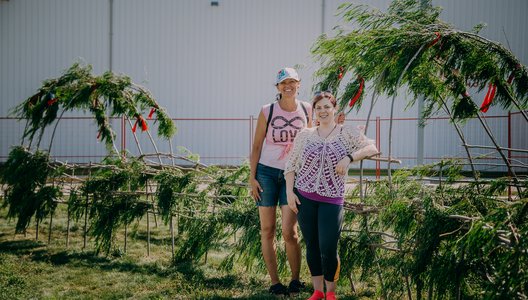
Arts organizers in Regina brought the community together through a public art project aimed at raising awareness and support for the ongoing efforts to rename Dewdney Avenue to Tatanga Avenue.
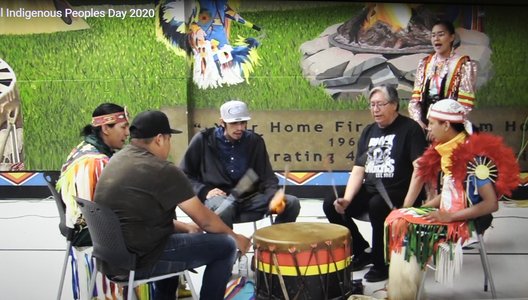
Advocacy comes in all shapes and sizes. Sometimes, all it takes is one educator with the commitment to give children a way to embrace and understand their culture through music.
Culture Days has continued to have a big role in building this awareness and uniting the cultural community in its promotion.
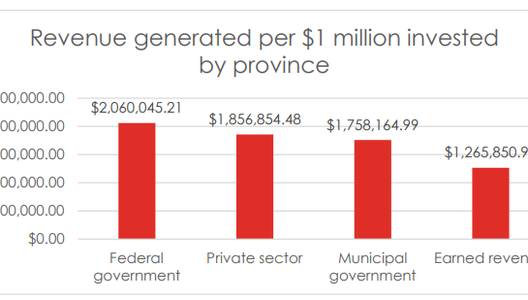
The repost showed that for every dollar invested by the provincial government, arts organizations generated another $13.70 of economic output.
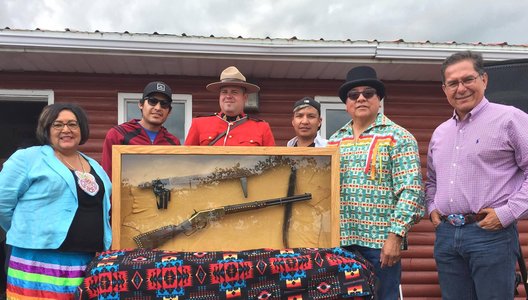
Chief Poundmaker’s belongings came back to the museum that bears his name
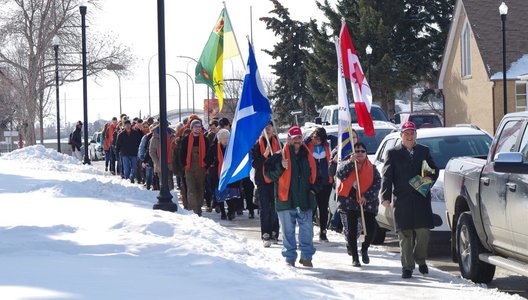
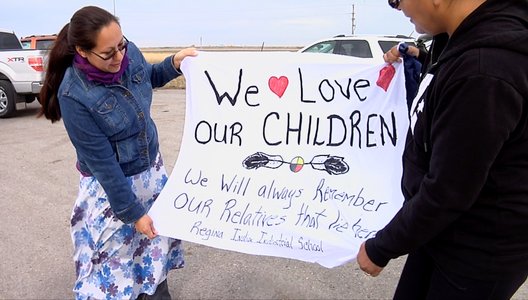
Raising awareness of Truth and Reconciliation in Swift Current
How a film about uncovering the past unexpectedly brings two filmmakers on a surprising personal journey
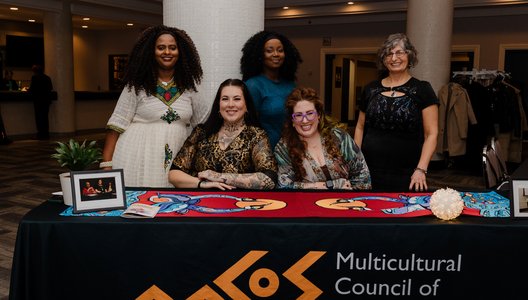
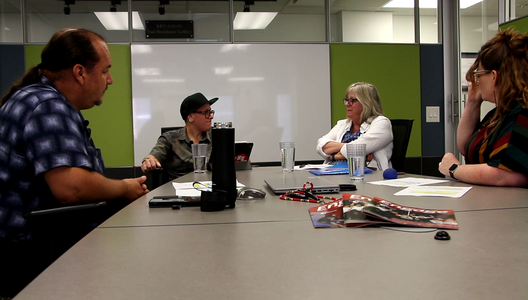
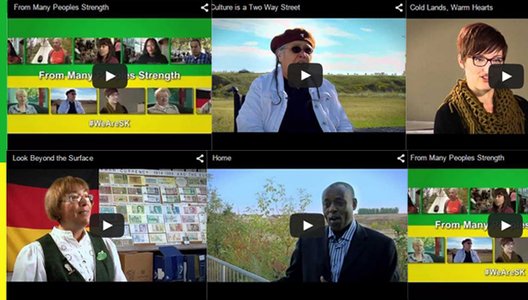
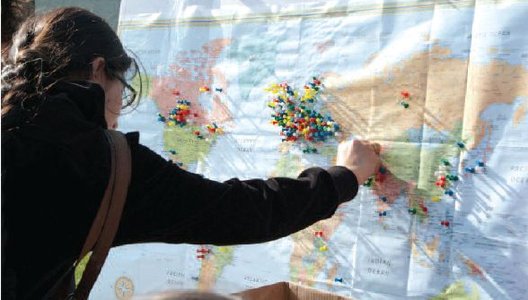
During Culture Days 2013, the Multicultural Council of Saskatchewan hired a freelance journalist, Evie Ruddy, and a videographer, Jason Rister, to travel around the province.
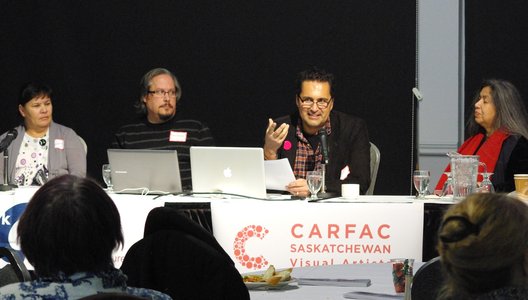
Several years ago, CARFAC Saskatchewan (Canadian Artists’ Representation/le Front Des Artistes Canadiens) identified a gap in terms of its service to, and engagement with, the Aboriginal artist community.
Much has been said over the years about the term multiculturalism since it became a buzzword in the 1970’s.